Tub and Tile Refinish with Repairs Done Right
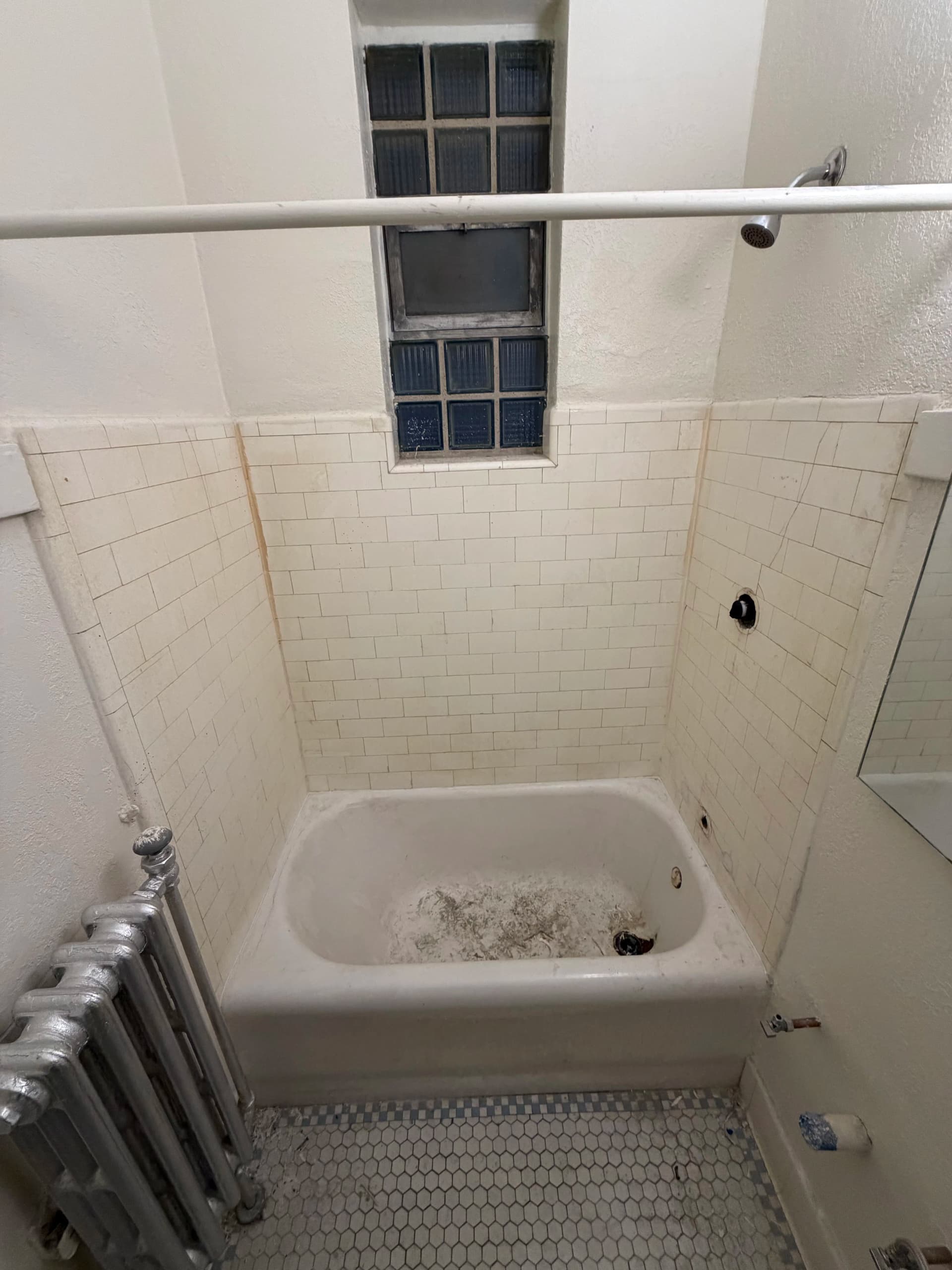
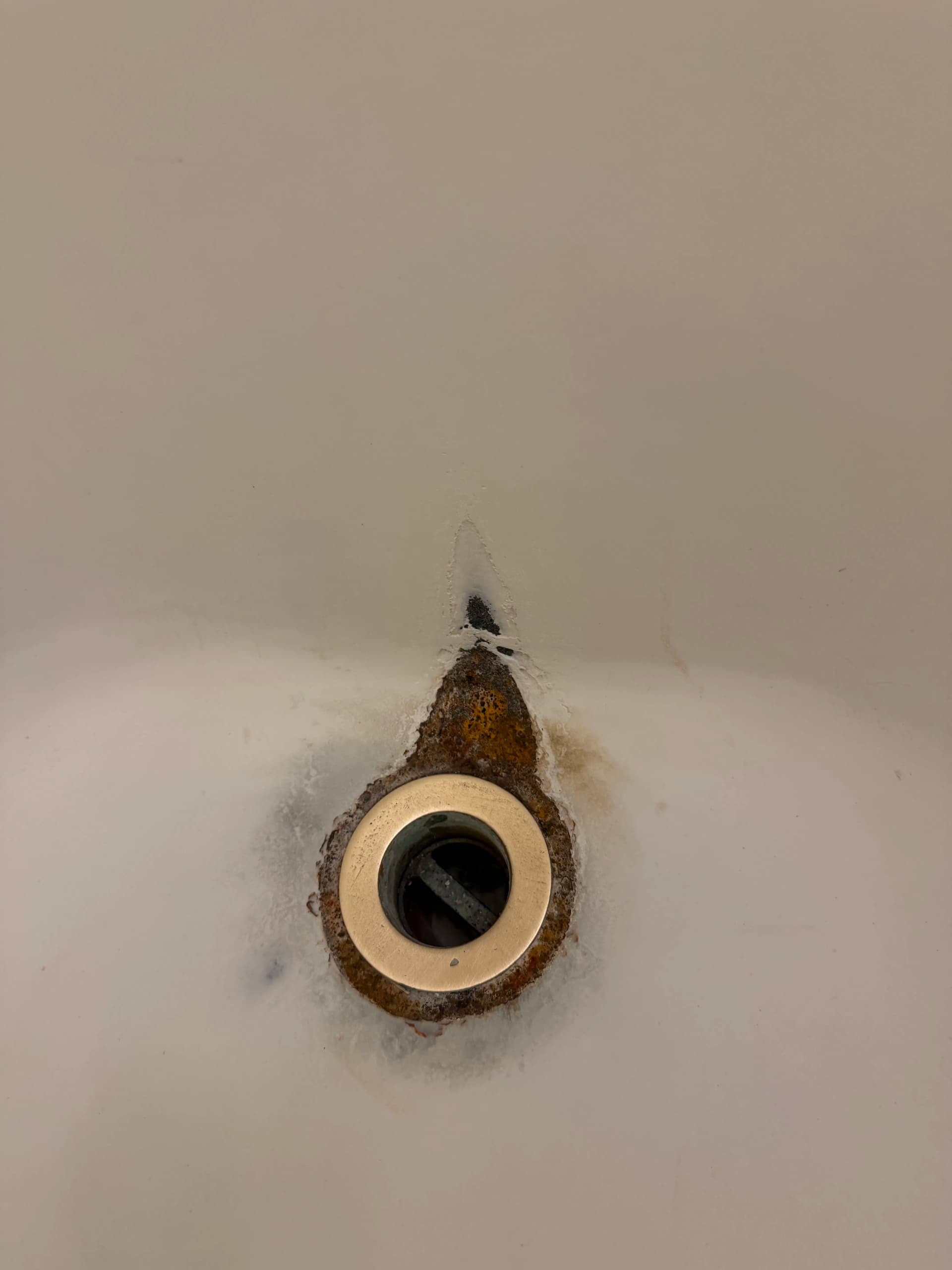
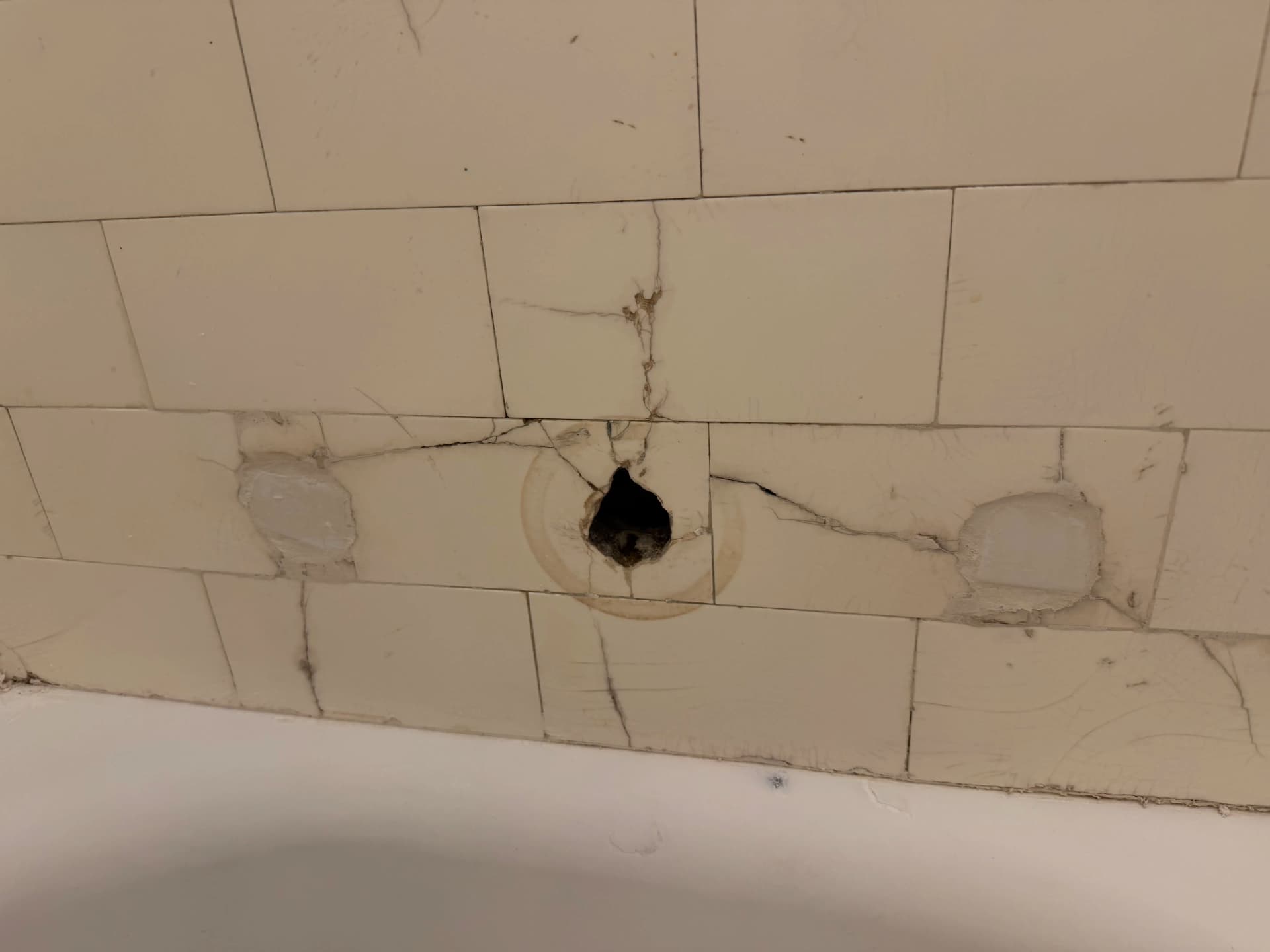
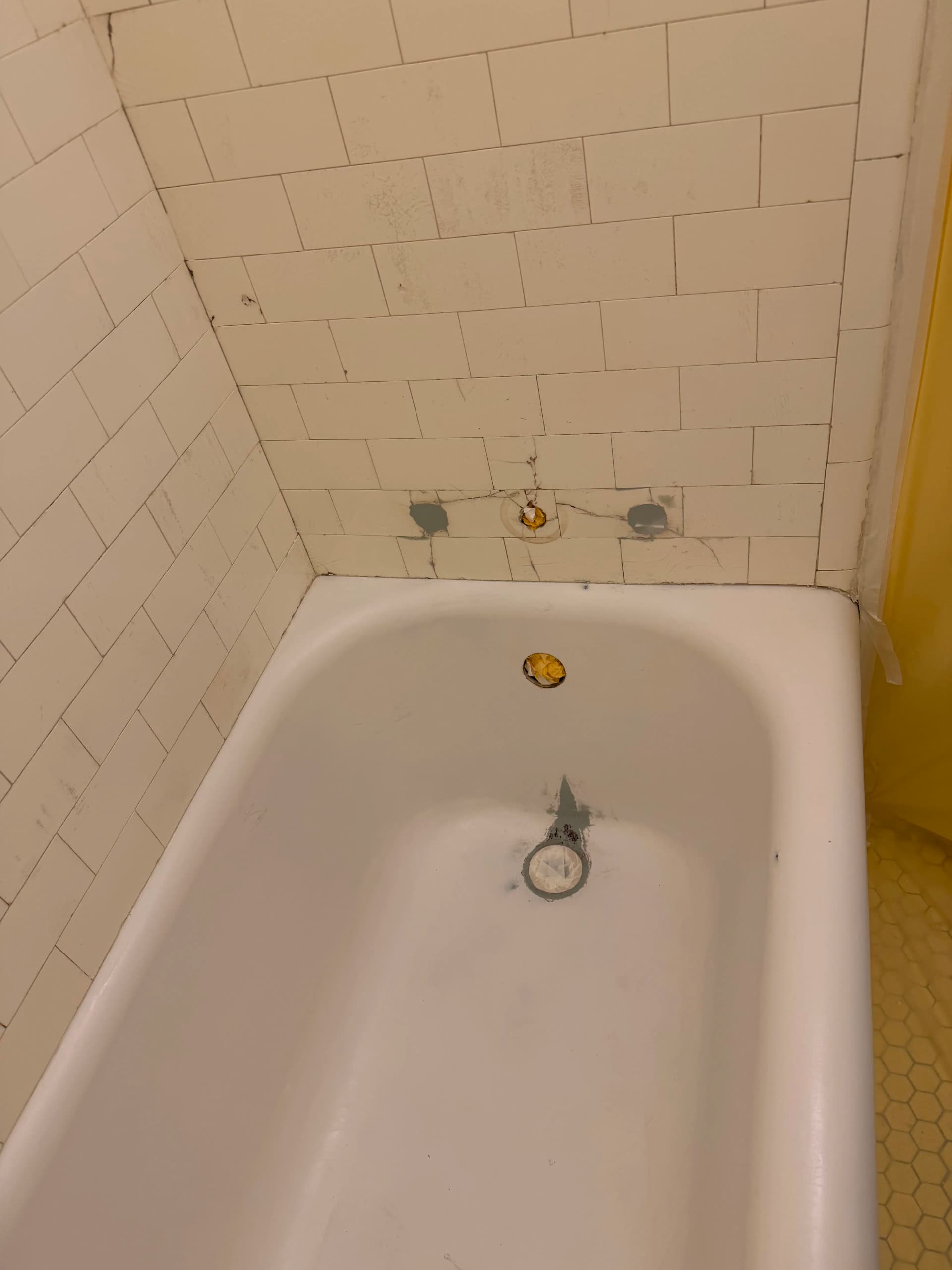
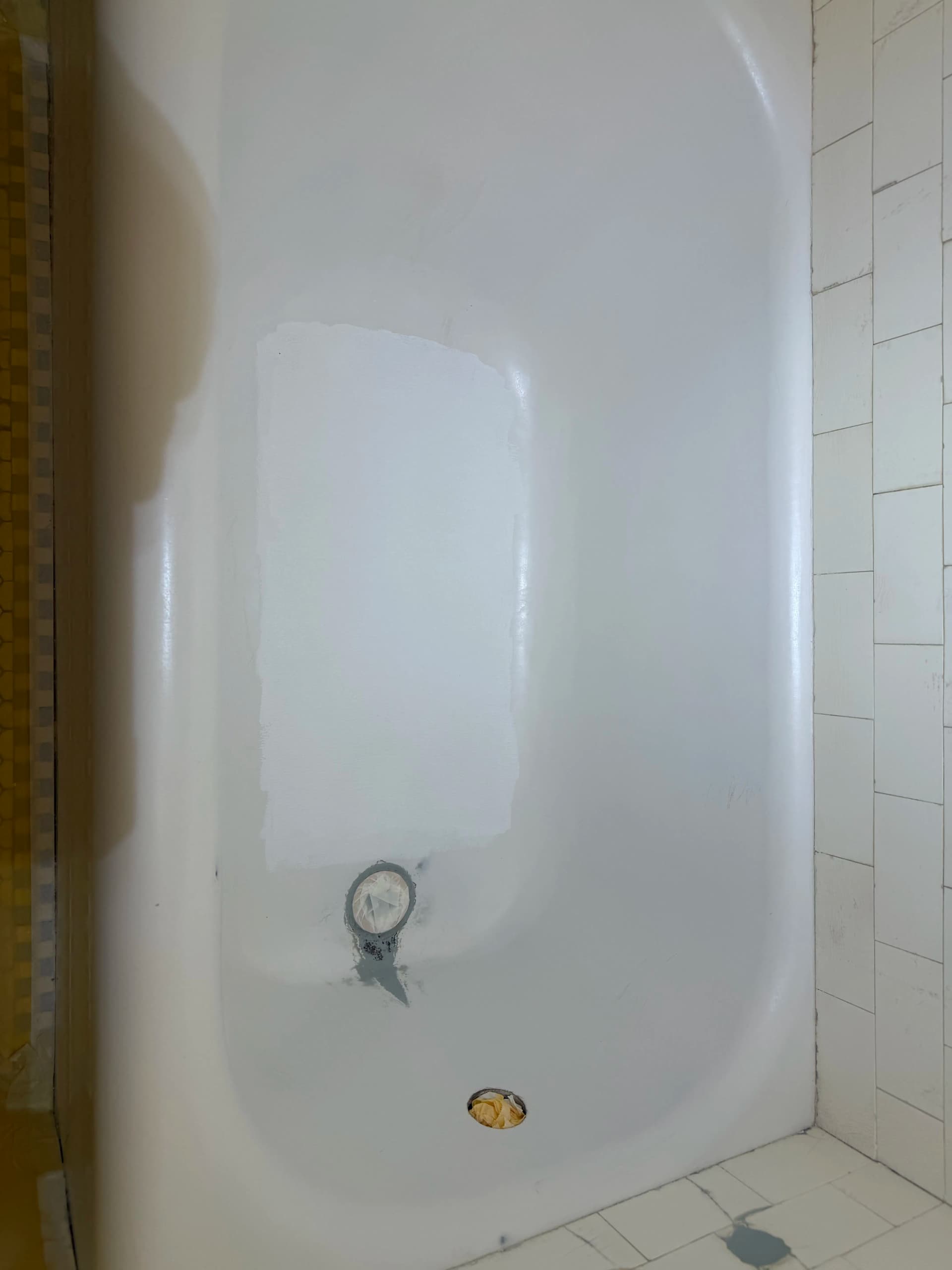
This one had some real issues going on. The tub surface was dull and worn, the drain area had heavy rust and buildup eating through the finish, and the tile wall had cracked through in multiple spots - including a hole straight through to the wall behind it. This wasn't just a cosmetic job. It needed actual repair work before anything else could happen.
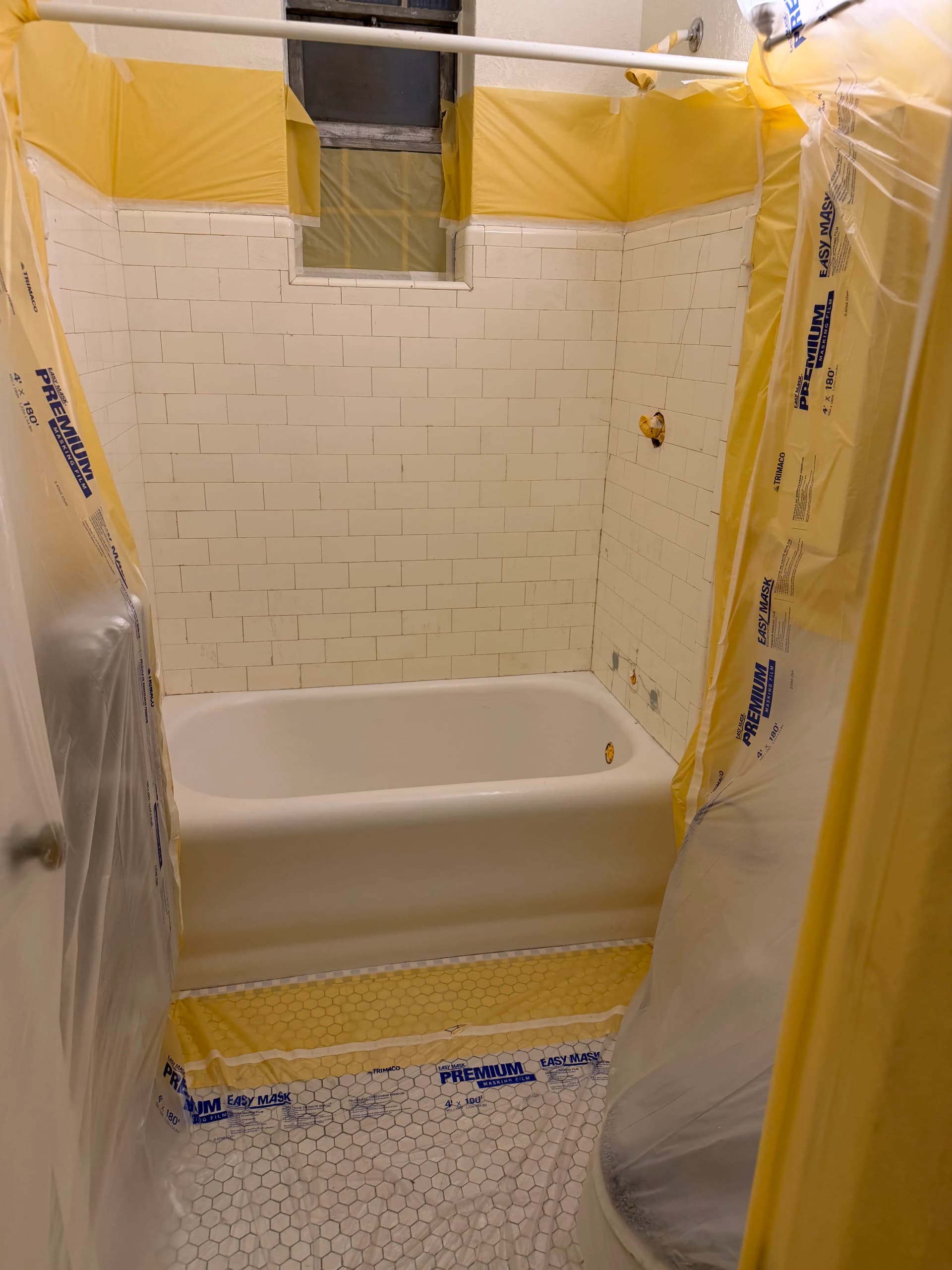
We started with a full clean-down, then addressed the damaged spots directly. The cracked tile area and the hole in the wall got filled and patched. The drain got polished up and prepped. Once everything was solid underneath, we masked off the entire surround - floor, sides, and the rest of the bathroom - to keep overspray completely contained. That prep work is what separates a refinish that lasts from one that starts peeling six months later.
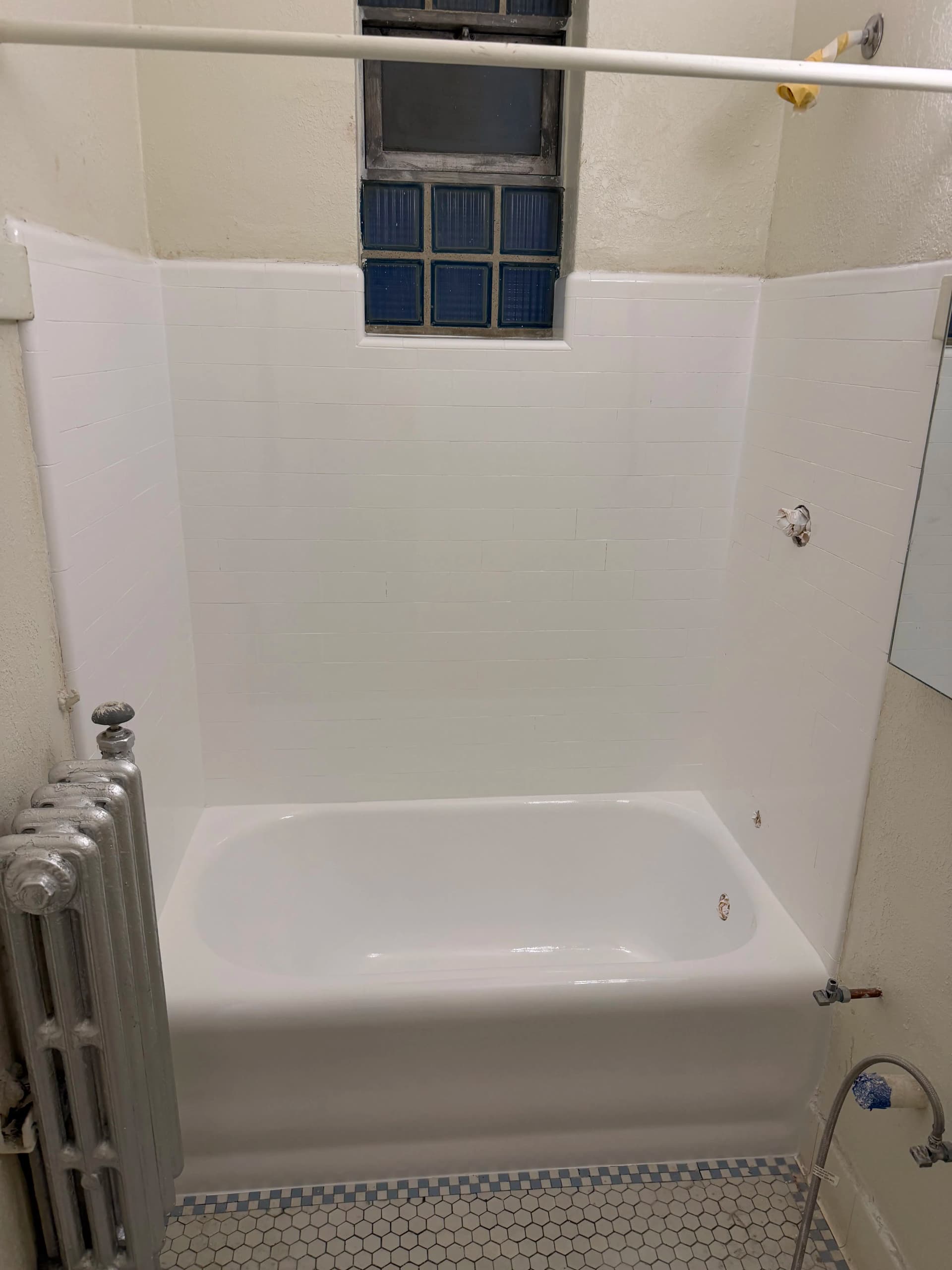
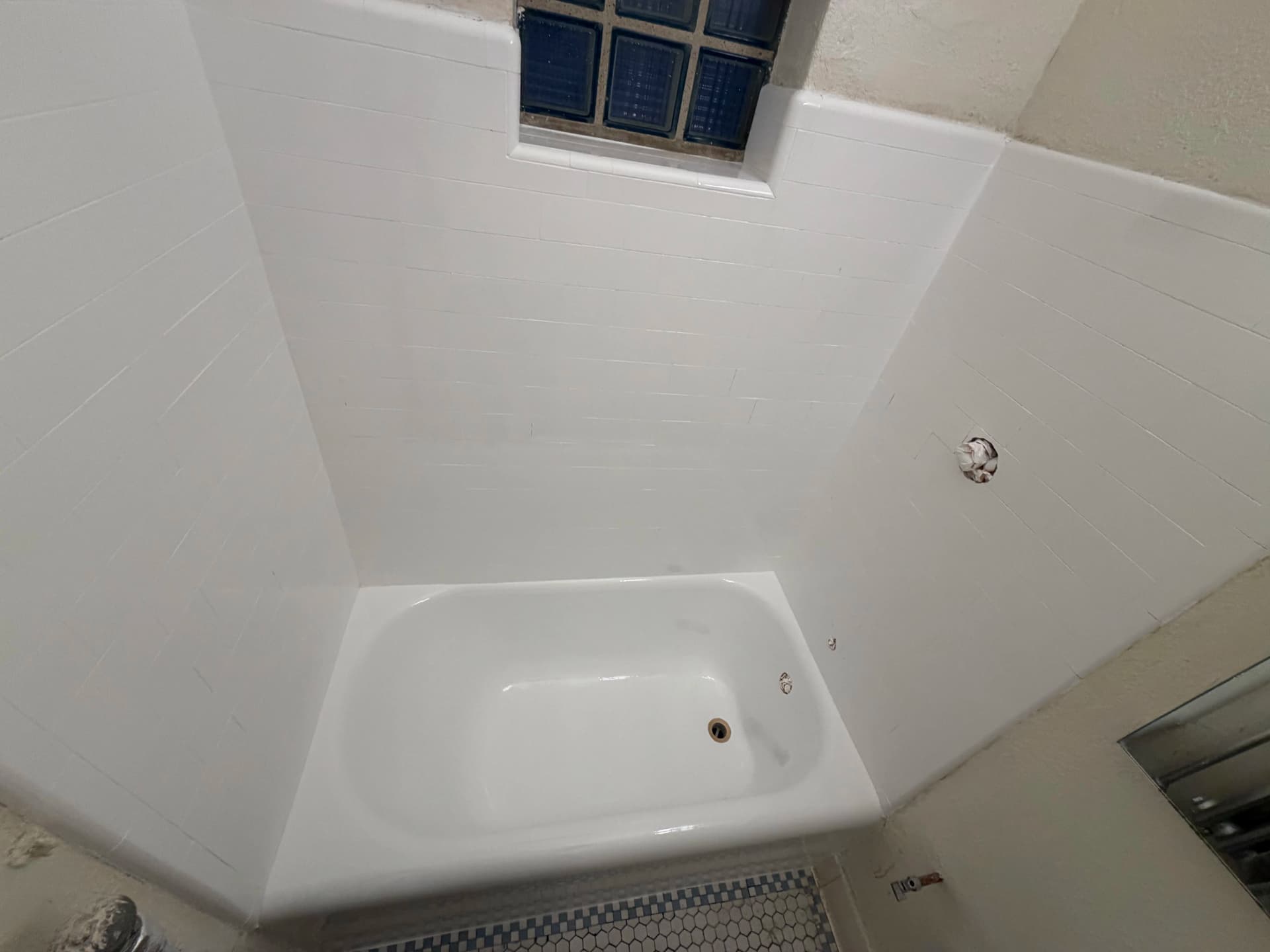
From there, we primed the tub and tile surfaces and applied a smooth topcoat throughout. The tub, the subway tile walls, all of it got the same treatment - bringing everything back to a clean, bright, glossy white. We also added a non-slip coating to the tub floor for safety. It's a small thing that makes a real difference, especially in an older bathroom like this one.
What you end up with is a surface that looks brand new without tearing out a single tile or replacing the tub. That's the whole point of tub refinishing - it's a fraction of the cost of a full gut job, and when it's done properly with real prep and repair work underneath, it holds up. If your tub and tile are looking rough, that combination of porcelain repair and refinishing is usually all it takes to get things back in shape.