Peeling and Cracked Tub Gets a Full Refinish and Nonslip Upgrade
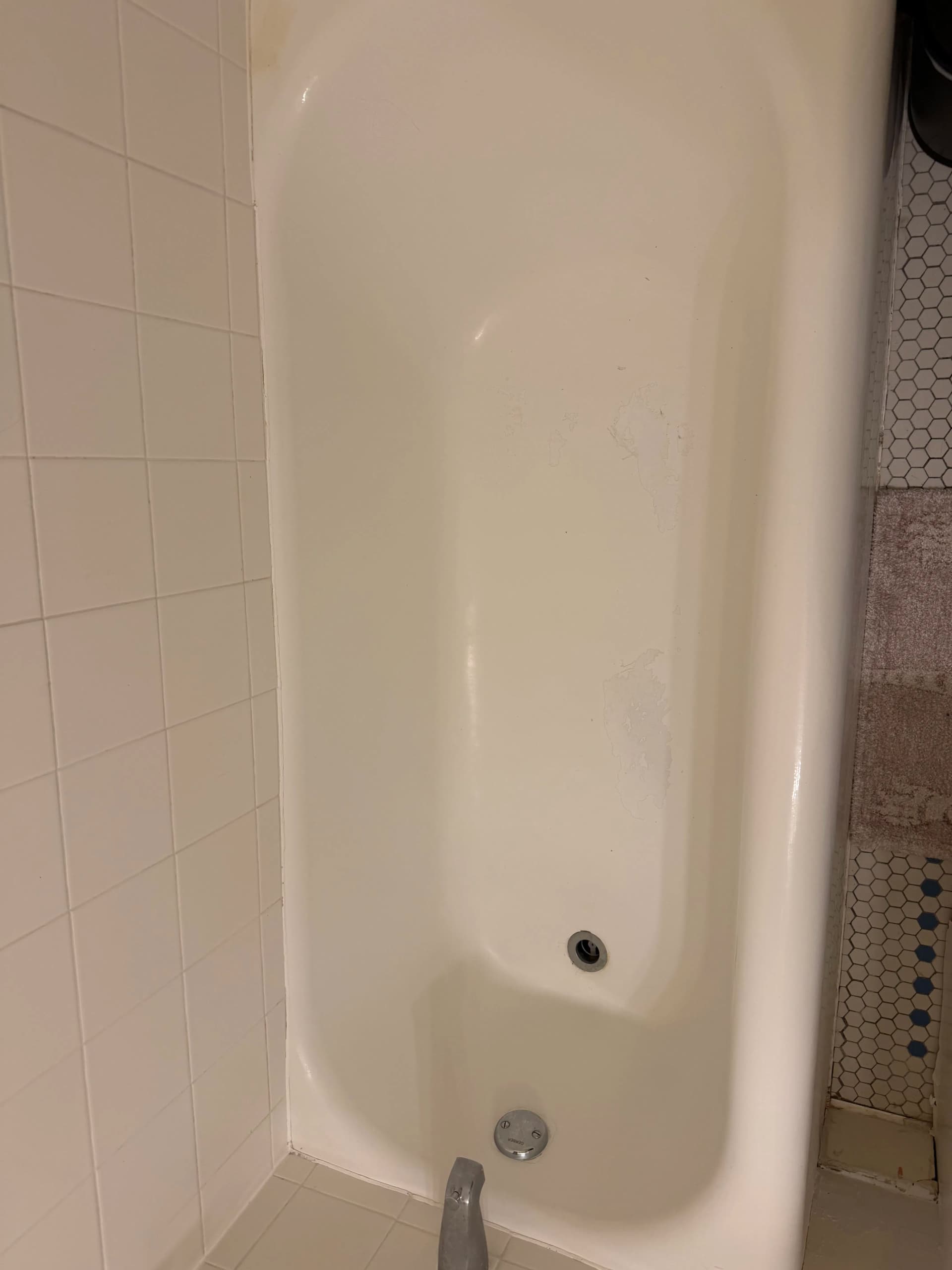
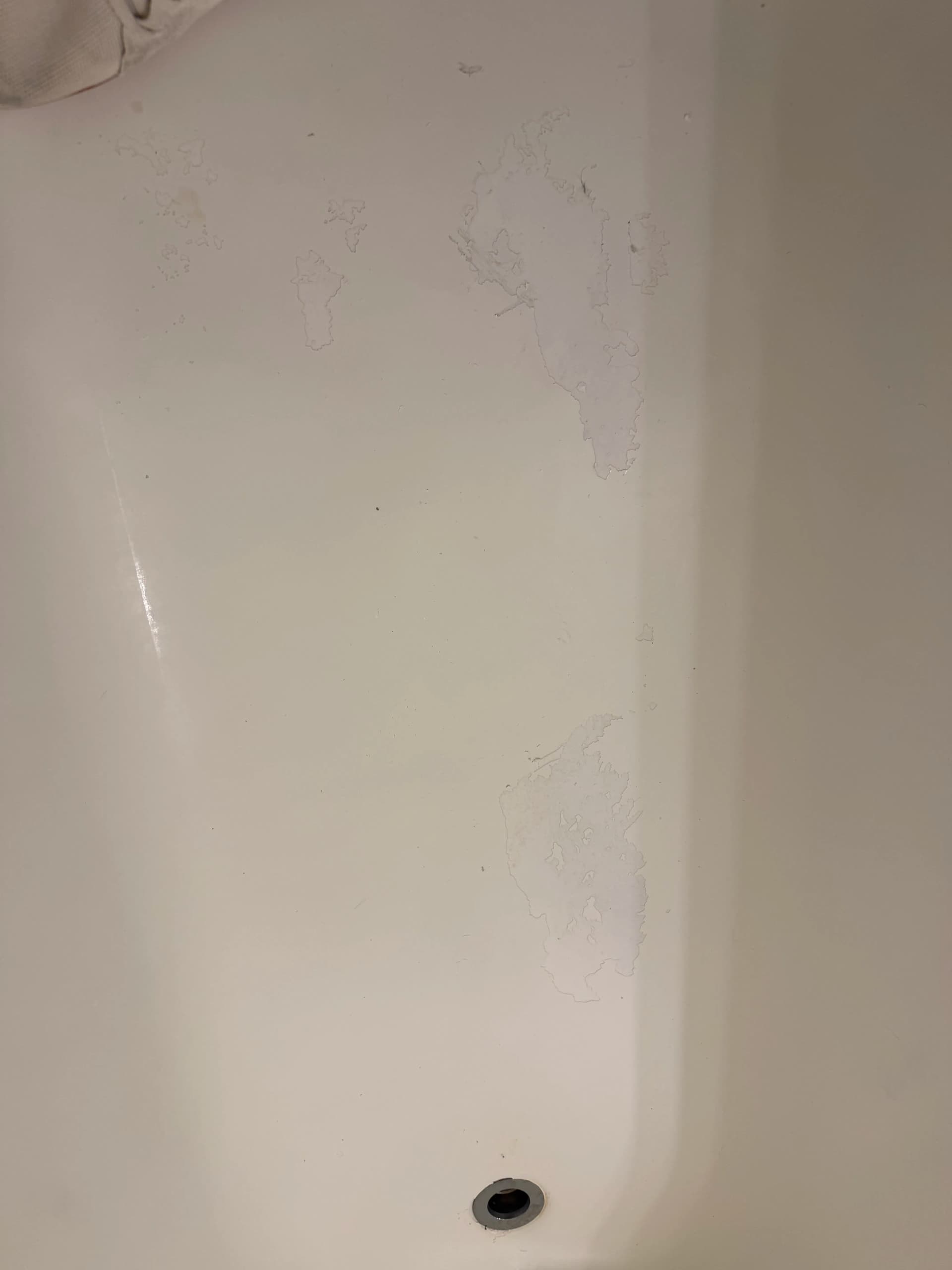
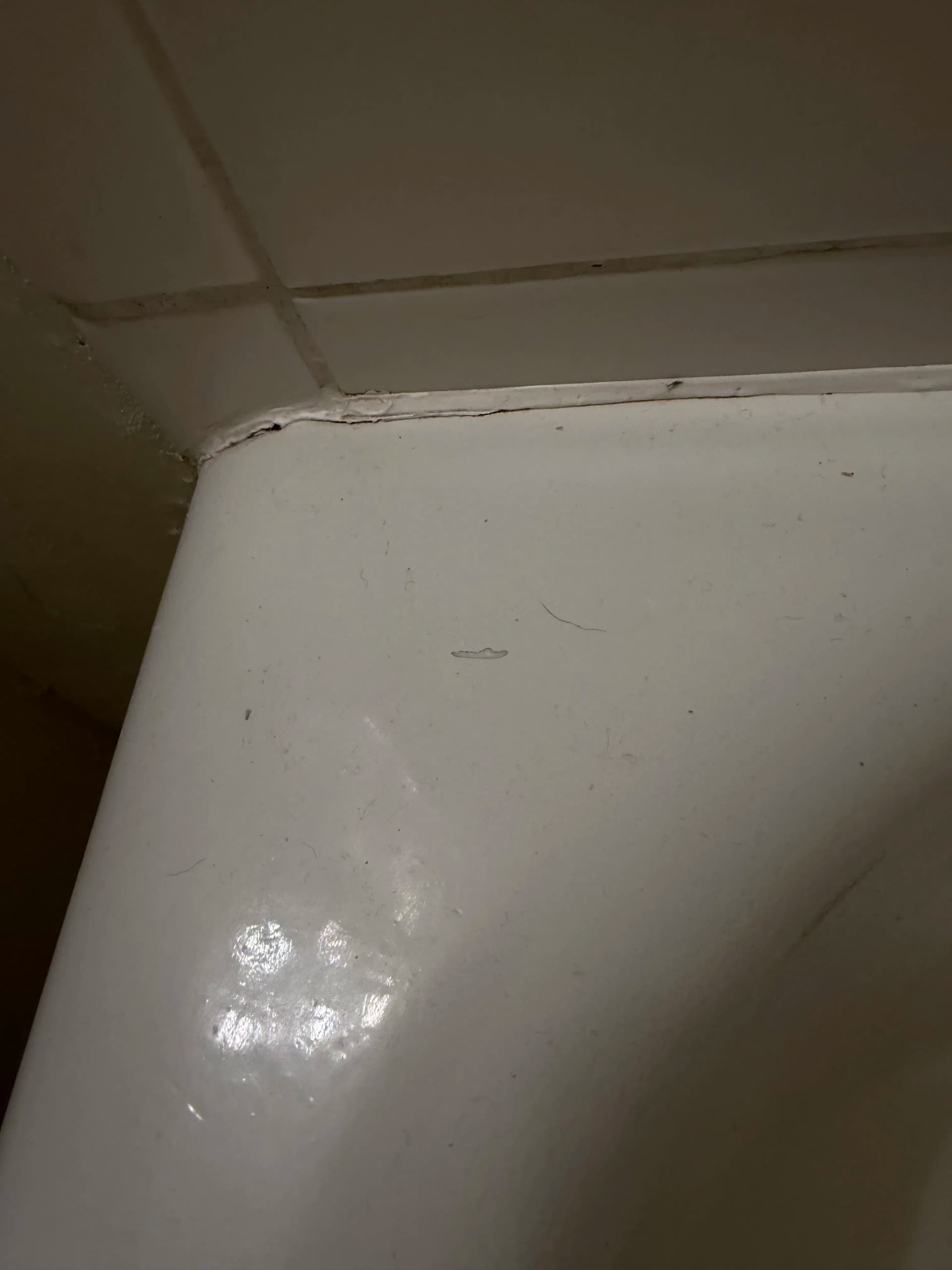
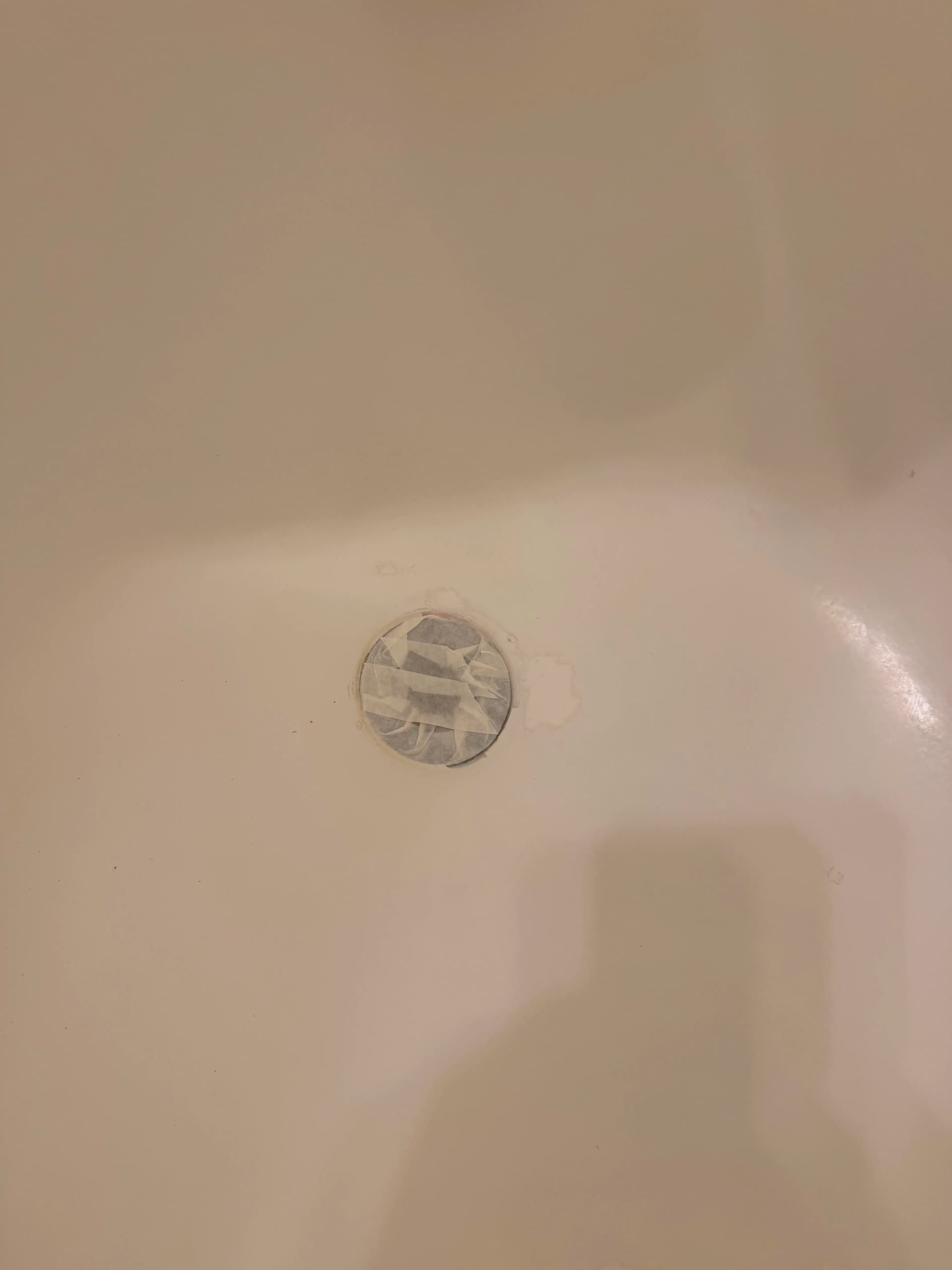
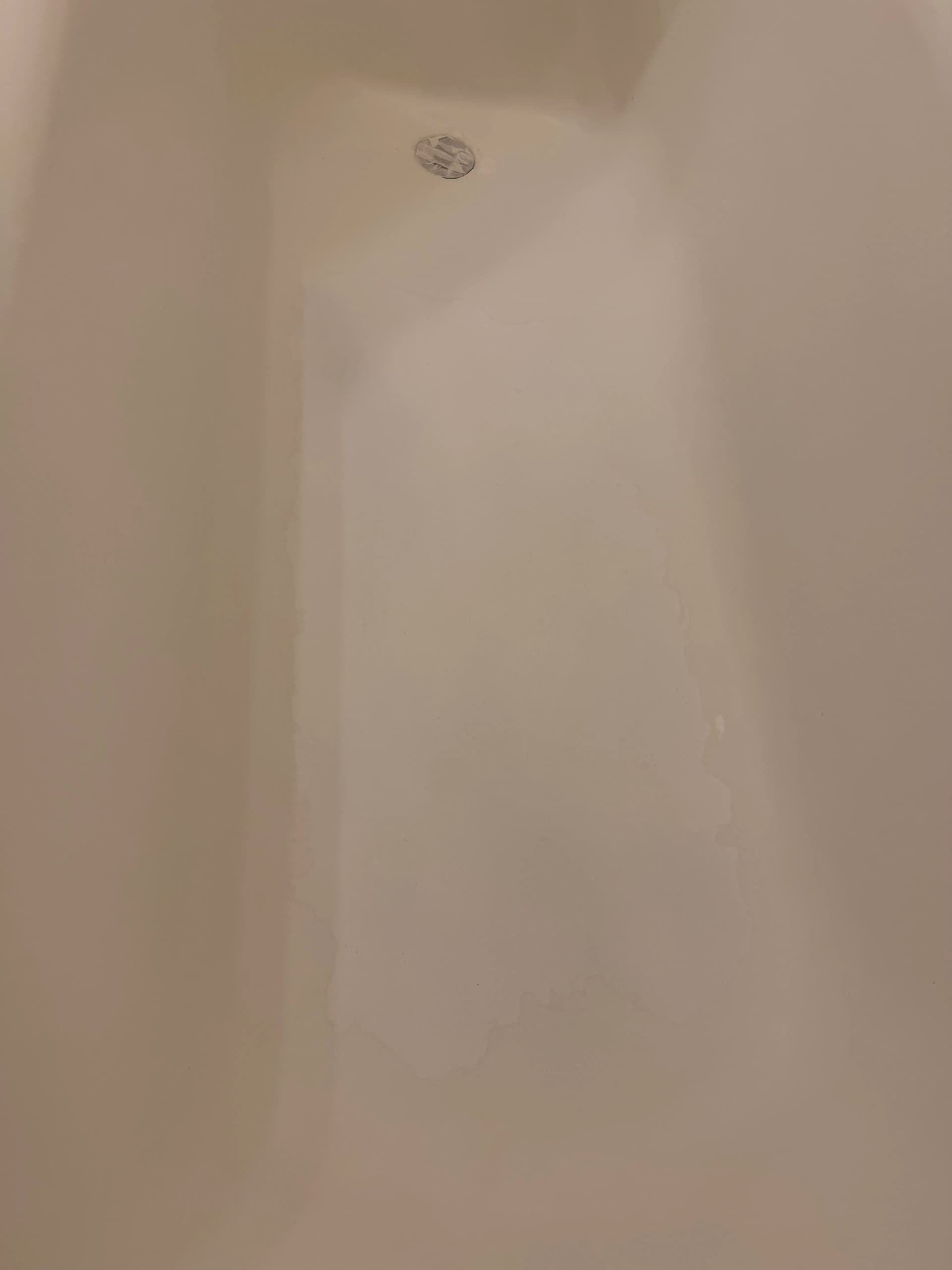
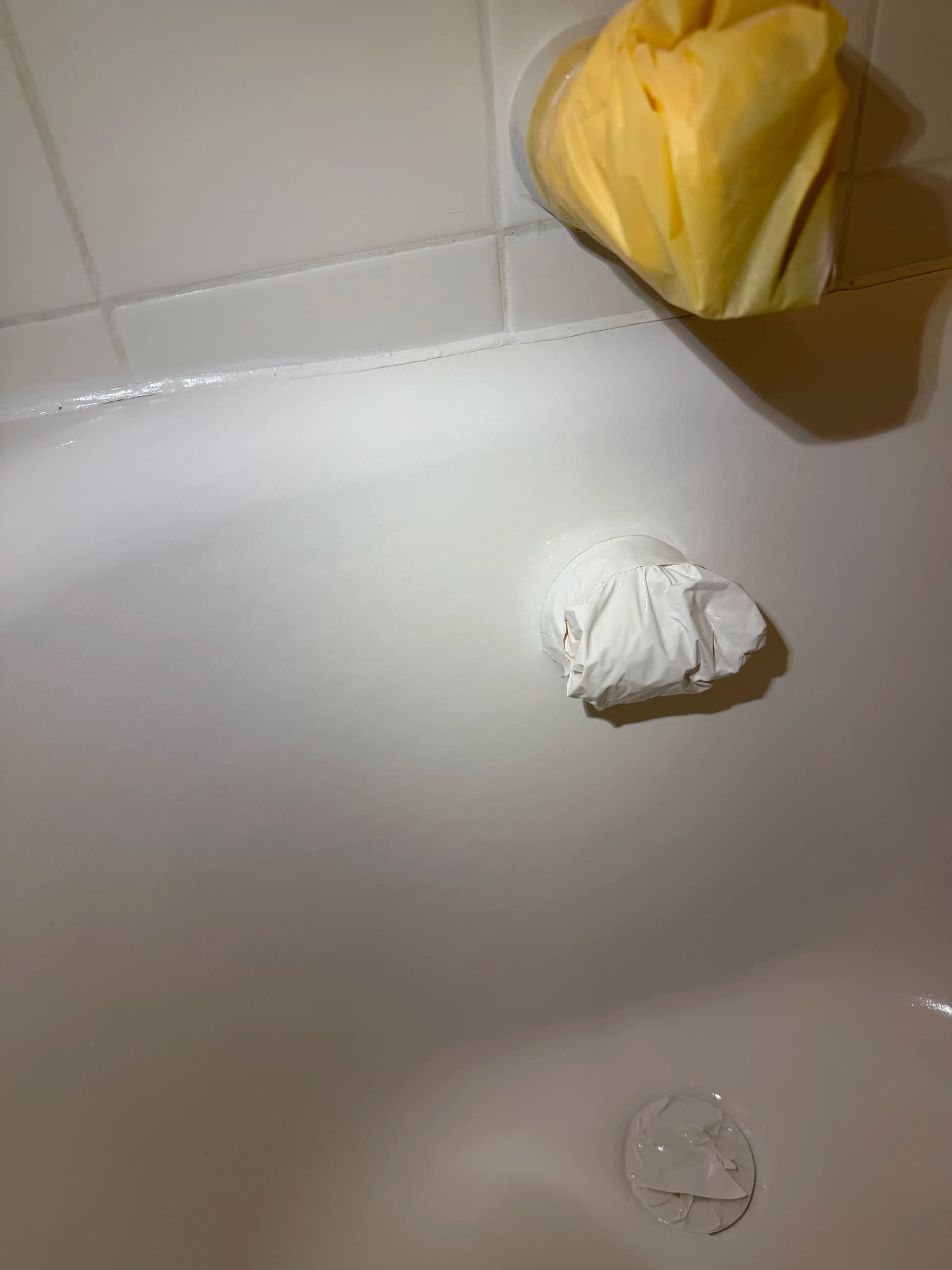
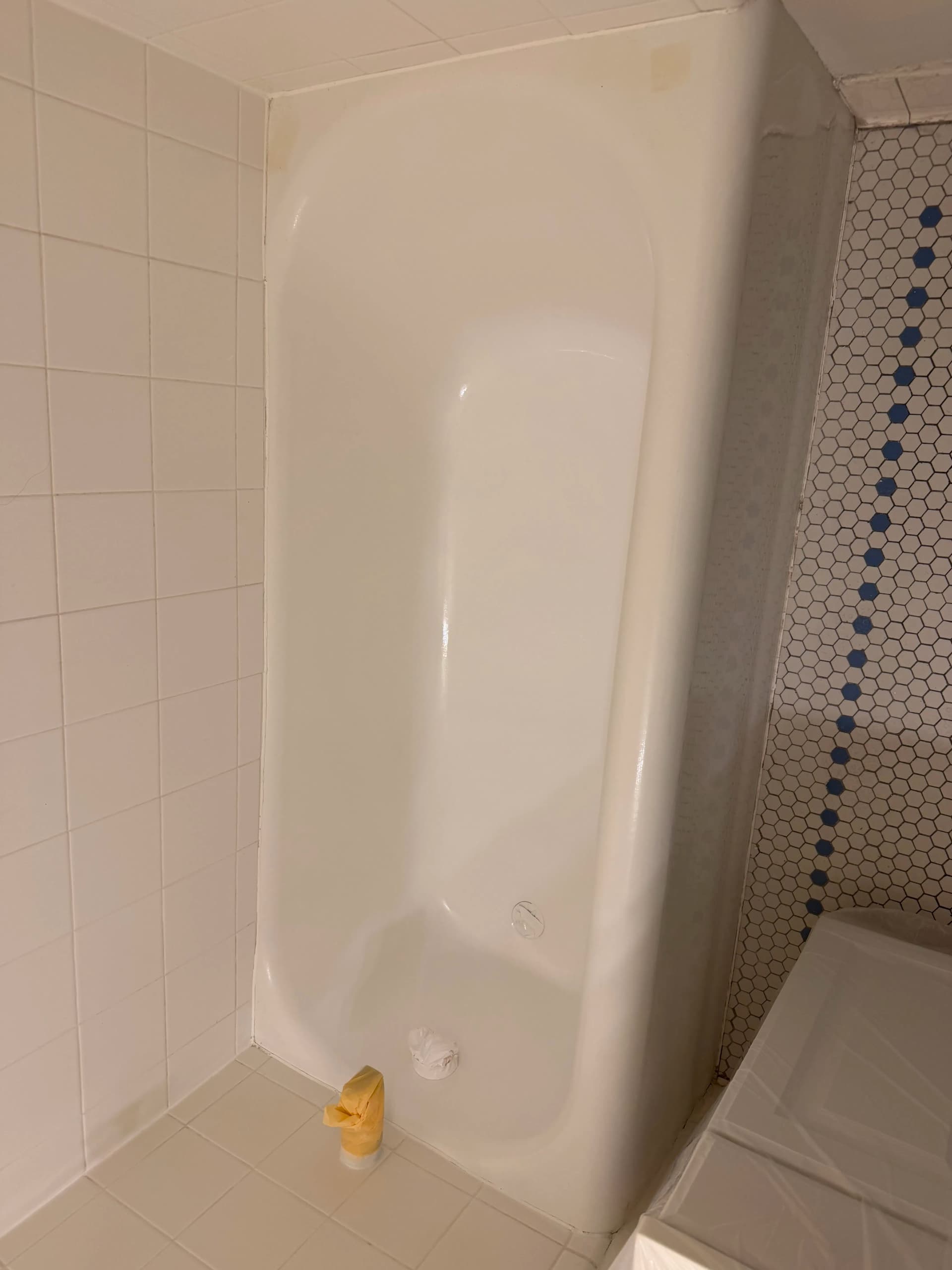
A tub that's peeling and cracking is one of those problems that's hard to ignore. The old finish was lifting in patches across the floor and sidewall - the kind of damage that just keeps spreading if you leave it alone. And once the surface starts failing like that, it's not just an eyesore. It's a hygiene issue and a safety concern.
Here's what we were working with: widespread peeling along the tub floor and walls, chips, and a surface that had clearly been refinished before with a coating that didn't hold up. Before we could do anything, we had to get back down to a solid base. That means proper prep - stripping the old failed coating, addressing the damaged areas, and making sure everything underneath is ready to bond correctly. No shortcuts.
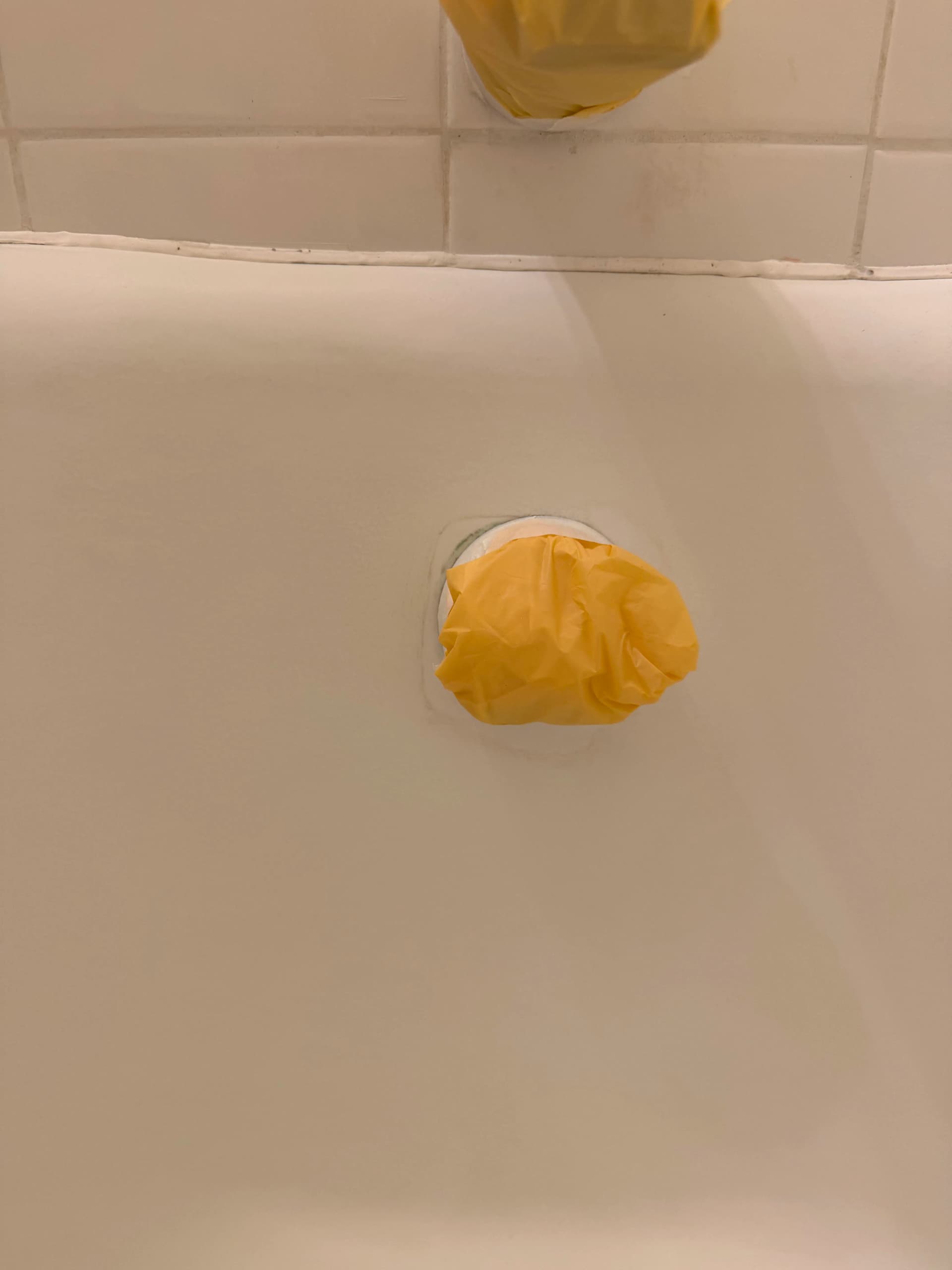
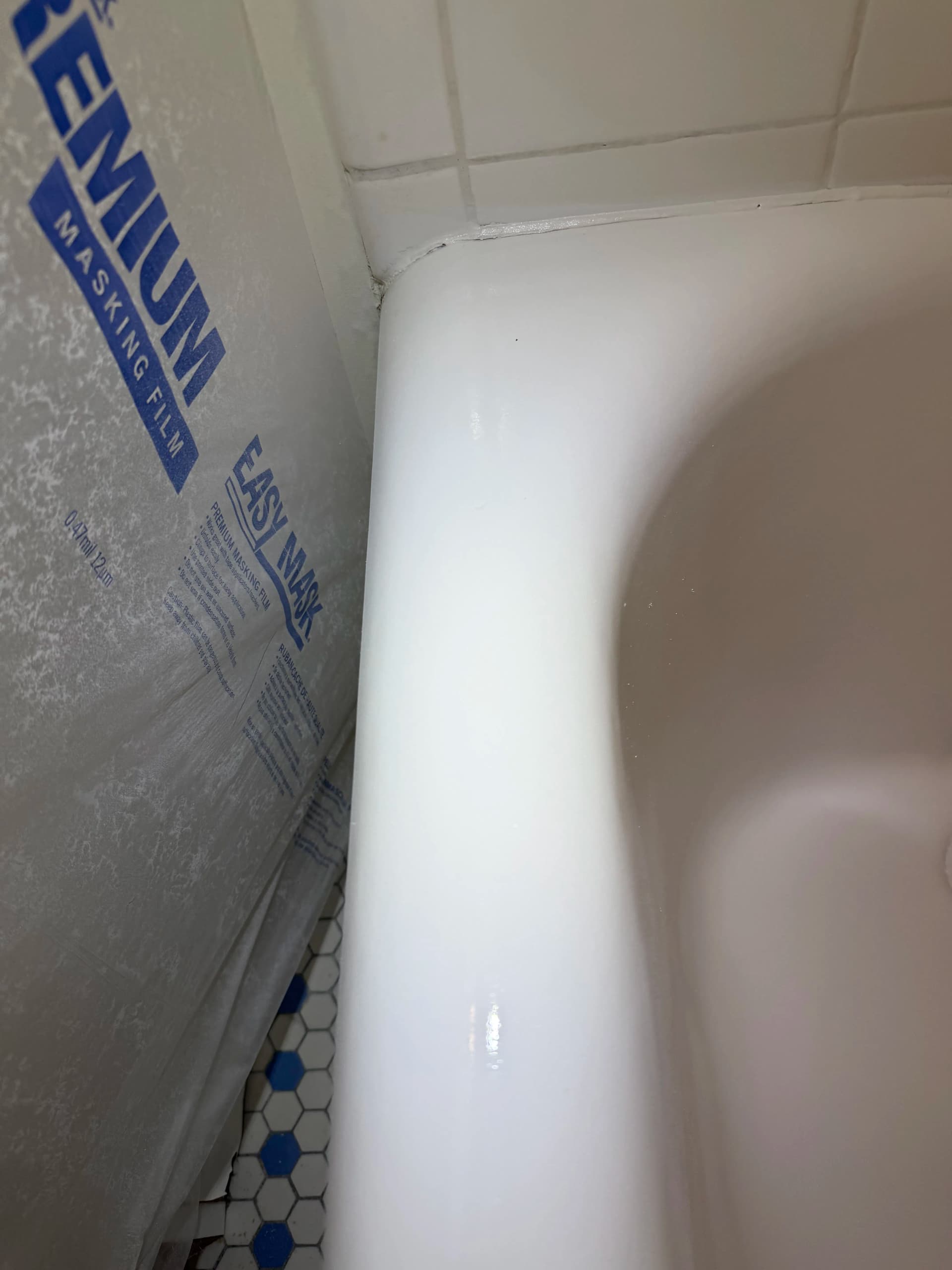
We masked off the surrounding tile and fixtures carefully before applying the new finish. That prep work matters a lot. A refinish is only as good as what happens before the coating ever goes on. We took our time with it, and the result is a surface that's smooth, clean, and actually bonded properly this time around.
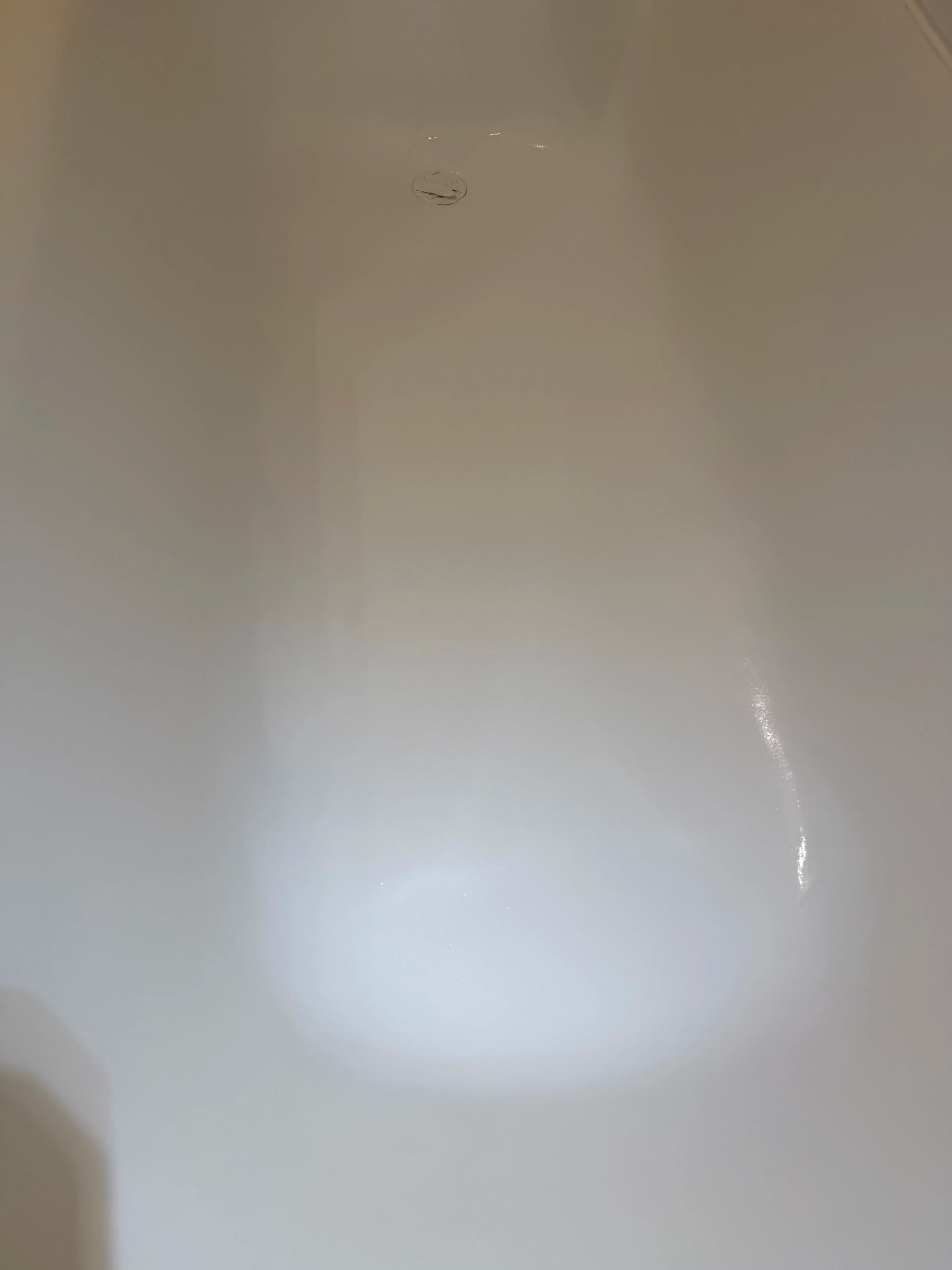
On top of the refinish, we added a permanent nonslip coating to the tub floor. This isn't a grip mat or a stick-on strip - it's built right into the finish itself. That means no peeling edges, no mold trapping underneath, and real traction every time someone steps in. It's a practical upgrade that makes a genuine difference, especially in a tub that sees daily use.
If your tub is starting to show signs of a failing finish - peeling, flaking, chips, or that rough texture that just won't come clean - refinishing is almost always the smarter call over replacement. It costs a fraction of a new tub install and can be done in a single visit. This one came out looking like a completely different tub.